
When Brands Take the Super Bowl Stage
The Super Bowl is one of the few moments when brands aren’t just advertising — they’re making a statement. With millions watching, every creative choice either reinforces brand identity or dilutes it. As we watched this year’s commercials, our team noted the brands that used the moment to make a clear brand play and those that missed the opportunity by prioritizing spectacle over substance.
OUR FAVORITES

Google (Gemini)
Google’s spot featuring a mom and son using the Gemini app to imagine their new home worked because it grounded advanced technology in everyday life. Rather than focusing on features, Google reinforced its long-standing brand position as a helpful, human centered tool that supports real moments. The emotional connection strengthened trust and relevance.
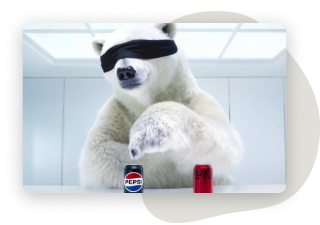
Pepsi
Pepsi’s use of the polar bear was a deliberate and confident brand move. The polar bear is widely recognized as an iconic symbol long associated with Coca Cola, and by placing that character in a blind taste test choosing Pepsi, the brand made a bold competitive statement without ever naming its rival. It was a smart reminder that Pepsi understands its category, its competition and its own place within the conversation.

Michelob Ultra
Michelob Ultra’s commercial tied directly into the upcoming Olympics, aligning the brand with athletic performance, discipline and an active lifestyle. The training storyline, paired with recognizable faces, reinforced Michelob Ultra’s positioning as a beer that fits into fitness driven culture rather than working against it.
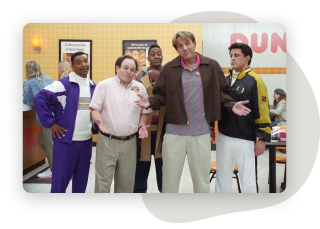
Dunkin’
Dunkin’ leaned into nostalgia by reimagining Good Will Hunting, tapping into cultural familiarity while keeping the brand front and center. The use of Ben Affleck and a recognizable storyline reinforced Dunkin’s approachable, playful personality and its ability to stay relevant through humor and consistency year after year.
MISSED THE MARK

Coinbase
Coinbase’s commercial succeeded in capturing attention, but struggled to communicate brand meaning. While entertaining, the lack of a clear connection to crypto or Coinbase’s value left viewers unsure what the brand stood for, weakening the overall impact.
Svedka
Svedka relied heavily on abstract visuals and music, but without a strong product or brand narrative, the ad lacked purpose. Creativity without context made it difficult for viewers to connect the experience back to the brand.


Manscaped
Manscaped’s commercial clearly communicated the product and succeeded in getting people talking. However, the use of clumped body hair visuals felt uncomfortable for a Super Bowl audience, especially during a viewing experience that often involves eating. While memorable and comedic, the creative approach was not our favorite, though we can appreciate that it was on brand.
The Super Bowl 2026 commercials were entertaining and memorable, offering a clear look at how brands approach one of advertising’s most visible moments. The spots that stood out most were the ones that knew exactly who they were and used the moment to reinforce brand identity with clarity and confidence. When creativity stayed rooted in the brand, the message resonated. Brand is everything, especially on the biggest stage for advertising.