This Holiday, Reach Out the Old-Fashioned Way

In a season full of noise, sometimes the smallest gesture makes the biggest impact.

At CIM Marketing Partners, we believe that relationship marketing isn’t just a tactic – it’s a mindset. And few things reflect that better than a handwritten note.

That kind of authenticity stands out – not just during the holidays, but year-round.

We talk a lot about strategy, metrics and performance. But the truth is, some of the most powerful marketing moments can’t be tracked in clicks. They’re felt. And remembered.

This time of year is the perfect opportunity to reconnect:

Whether you’re sending a note, supporting a local nonprofit or simply showing appreciation in a more personal way, these touchpoints are what build loyalty – not just awareness.

Looking to build a marketing approach that’s both meaningful and strategic? Let’s make sure your brand connects on every level.

Turn Clicks into Conversions Through Retargeting

Don't Let Potential Clients Slip Away.

Retargeting brings them back.

It takes multiple touchpoints to drive conversions.

Google's AI Mode Is Rolling Out—and It's Making Us Rethink Everything About SEO

I've been reading about Google's new AI Mode for weeks now, and the more I dig into what early users are reporting, the more convinced I am that we're looking at a fundamental shift in how search works. Not just a new feature—a completely different game.

If you haven't heard about AI Mode yet, here's the short version: Google is testing a search experience that gives you full, conversational answers instead of just links. Think ChatGPT, but with real-time web data and source citations. It's currently available through Google Labs to select users, but all signs point to a broader rollout soon.

And from what I'm seeing in the early reports? It's pretty remarkable.

What People Are Actually Experiencing

The feedback from early users has been eye-opening. Instead of the usual "here are 10 blue links, good luck," AI Mode is delivering structured, comprehensive answers that feel like talking to a knowledgeable colleague.

One user described asking about starting a small business and getting a response that covered legal requirements, tax considerations, and funding options—all in one coherent answer, with links to dive deeper into each area. No bouncing between multiple searches, no trying to piece together information from different sources.

The key difference: Traditional search makes you do the work of finding and synthesizing information. AI Mode does that synthesis for you, then gives you the sources to verify or expand on what it found.

Here's what's standing out in the early reports:

Complex questions are becoming the norm. People are asking things like "What are the pros and cons of different email marketing platforms for a nonprofit with a small budget?" instead of just searching "email marketing software."

Engagement times are way up. Users are reportedly spending 2-3 times longer with search results, reading through the AI responses and following source links.

Source quality matters more than ever. The AI is pulling from multiple sources to build its responses, but it's being selective about what it considers authoritative and helpful.

The Reality Check That's Got Me Worried

Here's what's keeping me up at night: Several SEO experts who've tested AI Mode are reporting that websites they considered well-optimized aren't showing up in AI responses at all. Not because they're not ranking—they're still appearing in traditional search. But their content isn't substantial or clear enough for the AI to find useful.

This isn't about keyword density or meta tags anymore. It's about whether your content actually helps people solve problems.

One tester mentioned searching for information about content marketing and finding that some big-name marketing blogs didn't make it into the AI response, while smaller, more focused resources did. The difference? Depth and practical value over SEO optimization.

That's a wake-up call for a lot of us.

What This Probably Means for Your Website

I'm still processing all of this, but a few things seem clear from what early users are reporting:

Thin content is going to struggle. Those 300-word blog posts designed primarily to capture long-tail keywords? They're not going to cut it in a world where AI is looking for comprehensive, helpful information to synthesize.

Structure matters more than ever. Users are noting that AI Mode seems to favor content with clear headings, FAQ sections, and logical organization. It's not just about looking good to human readers anymore—it's about being parseable by AI systems.

Expertise and authority is no longer optional. The AI appears to be gravitating toward sources that demonstrate real knowledge and provide actionable insights, not just information that's technically correct, but shallow.

The Questions CIM is Asking

Are we writing to answer real questions, or just to target keywords? There's a difference between "best CRM software" content and genuinely helping someone figure out which CRM makes sense for their specific situation.

Is our clients' content substantial enough to be worth citing? If an AI system is pulling together a comprehensive answer, would it find their content valuable enough to include and link to?

Are we building topic authority, or just covering a lot of ground? It seems like going deep on specific areas of expertise might be more valuable than trying to rank for everything related to an industry.

How We're Adapting Our Strategy

Based on what we're seeing in these early reports, we're starting to shift our approach with clients:

Moving from keyword-focused to question-focused content. Instead of targeting specific search terms, we're helping clients think about the actual problems their audience is trying to solve and creating content that addresses those problems comprehensively.

Prioritizing depth over breadth. Rather than creating surface-level content on dozens of topics, we're working with clients to go much deeper on the areas where they actually have expertise and insights to offer.

Making content more structured and scannable. Clear headings, FAQ sections, and logical organization aren't just good for user experience anymore—they're essential for AI discoverability.

The Bottom Line (As Best We Can Tell)

AI Mode is still in testing, and a lot could change before it rolls out widely. But the direction seems clear: Google is moving toward surfacing the most helpful, comprehensive content available, rather than just the most optimized.

If your business has been focused on creating genuinely valuable content for your audience, this shift might actually work in your favor. If you've been primarily focused on gaming search algorithms… well, it might be time to reconsider that strategy.

We're still figuring out what all of this means for the work we do with clients, but one thing feels certain: The businesses that survive this transition will be the ones that were already focused on being genuinely helpful to their customers.

Everything else is just tactics.


What are you seeing in your own search behavior? Are you noticing changes in how Google is presenting information? Our team would love to hear about your experience—drop us a line and let us know what you're observing.

PPC vs. SEO: The Power of Tandem Strategies to Dominate Digital Real Estate

In the digital marketing landscape, businesses often find themselves at a crossroads: Should they invest in Pay-Per-Click (PPC) advertising or Search Engine Optimization (SEO)? While each strategy offers unique benefits, the true power lies in leveraging both PPC and SEO together. By combining these two approaches, businesses can maximize their digital real estate, ensuring a comprehensive online presence that drives traffic, leads and ultimately, business.

PPC is a form of online advertising where businesses pay a fee each time their ad is clicked. It's an effective way to essentially buy visits to your site rather than earning them organically. Platforms like Google Ads allow for precise targeting, enabling businesses to reach specific audiences based on demographics, interests and search behavior. PPC is known for its ability to deliver immediate results, making it ideal for time-sensitive campaigns and promotions.

SEO, on the other hand, focuses on optimizing a website to rank higher in organic search results. This involves on-page elements like keyword optimization, quality content creation and meta tags, as well as off-page factors such as backlinks. SEO is a long-term strategy that builds credibility and trust with search engines, ultimately leading to sustained visibility and traffic.

The Synergy of PPC and SEO

While PPC and SEO have distinct advantages, the true potential is realized when used in tandem. Here’s how they work together:

Enhanced Visibility: By occupying both paid and organic search results, businesses can dominate the search engine results pages (SERPs). This dual presence not only increases visibility but also enhances brand credibility and trust. When users see a brand appearing in both ad space and organic listings, it reinforces the brand’s authority and reliability.

Comprehensive Data Insights: PPC campaigns provide immediate data on which keywords and ads are most effective. This real-time data can be invaluable for informing SEO strategies. For instance, keywords that perform well in PPC can be targeted in SEO efforts, ensuring content is aligned with what users are actively searching for.

Increased Click-Through Rates (CTR): Studies have shown that having both an ad and an organic listing on the same SERP can lead to higher overall click-through rates. Users are more likely to click on a brand that appears multiple times, making the combined approach more effective than either strategy alone.

Maximized Digital Real Estate: The ultimate goal of any digital marketing strategy is to take up as much digital real estate as possible. By utilizing both PPC and SEO, businesses ensure they are present in multiple touchpoints, from paid ads to organic search results, to local listings and more. This comprehensive approach increases the chances of capturing user attention and driving conversions.

The debate between PPC and SEO shouldn’t be about choosing one over the other, but rather about how to integrate both to create a powerful, cohesive digital marketing strategy. By leveraging the strengths of PPC and SEO together, businesses can maximize their digital real estate, enhance brand visibility and drive more qualified traffic to their websites. Investing in a dual approach not only ensures immediate results but also builds a sustainable online presence that will pay dividends in the long term.

At CIM Marketing Partners, our team of experts is dedicated to helping you navigate the complexities of PPC and SEO, ensuring your business captures the full spectrum of digital opportunities. Contact us today to elevate your online presence and dominate your market.

Embrace a Winning Strategy! Unleashing the Power of AI in 2024

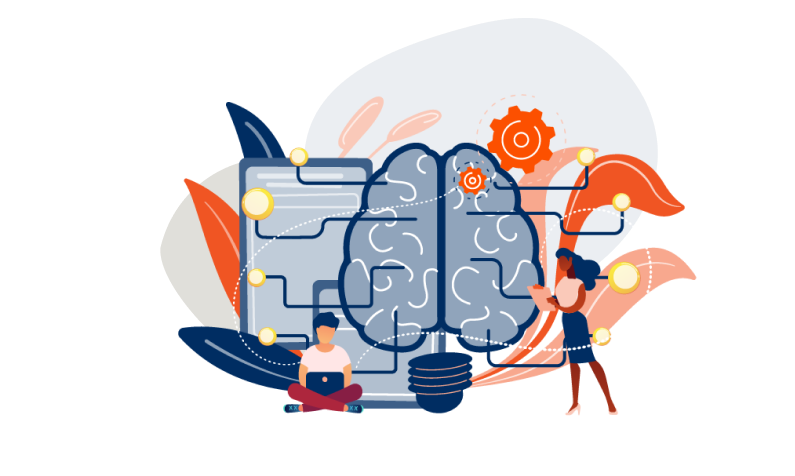
Within the next five years, Artificial Intelligence (AI) will transform your industry. There is no way around this fact! In 2023, AI took leaps and bounds, and it’ll only continue to grow as companies learn how to use the technology for practical use. To get ahead of the curve, it’s important to foster a company culture of innovation and continuous learning to ensure you embrace this opportunity! Embracing AI is not just about technology; it’s about a transformative mindset. Companies that integrate AI effectively will see exponential growth and efficiency. While investing in training programs can teach your staff the “How To,” it takes a mindset shift to truly understand how AI can help you 10X your results.

Therefore, some will ask, “what are the best ways to integrate AI into your business?” First, brainstorm how automation can save your business time, money and resources. Next, outline a “Pilot Program” to incorporate small-scale AI into essential parts of your business operations. For example, an AI-powered chatbot on your website can handle a vast number of customer queries in real time, reducing the need for large customer service teams. This can free up your staff (resources) to focus their time on other revenue-generating activities while AI handles all preliminary communication.

Just as electricity transformed almost everything 100 years ago, today I actually have a hard time thinking of an industry that I don’t think AI will transform in the next several years.

Andrew Ng

The ideal starting points for integrating AI into a company include customer service, human resources, supply chain management, marketing, accounting and research and development (R&D).

While AI is an incredibly powerful tool, it does not replace the human touch. To achieve the best results, AI should be used in conjunction with human insight and expertise.

Remember, AI is a tool to increase human potential, not replace it. Your team’s creativity and strategic thinking are irreplaceable assets.

Be cautious when entering sensitive information into chatbots, as conversations are collected and used to further train the chatbot for other users. It's important to establish a company policy to ensure that your staff understands the importance of not entering sensitive data into the bot. By integrating AI responsibly, you can ensure data security while maximizing efficiency.

The potential benefits of leveraging AI in 2024 and beyond are tremendous! It’s extremely important to understand how this tool can help you and your business. The rapid advancements in AI technology demand a thorough understanding of its implications, both positive and potential challenges. Our team at CIM is staying ahead of the curve with the latest AI updates, and we’re here to help you navigate the AI landscape (and benefit from it, when appropriate) to propel your business’s success in the future.

As artificial intelligence continues to evolve, I wanted to share a thought-provoking article that was recently featured in Nevada Business Magazine. It dives into the nuances of AI in business and highlights why, despite its impressive capabilities, artificial intelligence still benefits greatly from the human touch.

If you're interested in exploring this topic further, you can read the full article by clicking the button below:

Elevate Your Branding Strategy: The Power of Newsletters

I know what you might be thinking—newsletters in 2024? But bear with me, because here are four compelling reasons why newsletters are a game-changer:

1. Cost-Effective Impact:

Unlike costly ad campaigns, newsletters offer a simple, budget-friendly way to authentically connect with your audience. By sharing useful newsletter content, you can showcase the genuine essence of your brand without breaking the bank.

2. Contextual Storytelling:

Newsletters provide a platform for meaningful storytelling, allowing you to delve into the nuances and context behind your brand. In a world of bite-sized content, this depth can captivate and engage your audience, setting you apart from the competition.

3. Amplified Engagement:

Newsletters serve as a catalyst for building a community of brand advocates. By making it easy for subscribers to share your content, you can organically expand your reach and cultivate a loyal following.

4. Data-Driven Insights:

Unlike traditional advertising metrics, newsletters provide tangible data on subscriber engagement. From open rates to click-through rates, these metrics offer invaluable insights into the effectiveness of your branding efforts.

Craft Compelling Content: Start by showcasing the authentic essence of your brand through real stories and experiences. Highlight the people, projects and values that make your company unique.

Cultivate Your Community: Focus on quality over quantity by targeting engaged subscribers who resonate with your brand. Encourage colleagues and current and potential clients to join your mailing list and become part of your brand journey.

Share and Engage: Once you've sent out your newsletter, leverage your existing channels to amplify its reach. Encourage colleagues and clients to share your content, and be consistent in your distribution efforts.

Incorporating newsletters, both printed and digital, into your branding strategy can yield significant marketing dividends, helping you to strategically elevate your brand presence in the marketplace.

At CIM Marketing Partners, we specialize in crafting comprehensive branding strategies tailored to your unique needs. We're here to help you unlock the full potential of newsletters in your branding journey.

Embrace a Winning Strategy! Unleashing the Power of AI in 2024...

The use of Artificial Intelligence (AI) is ever-evolving. In 2023, the power of AI reached unprecedented heights, presenting incredible opportunities for businesses like yours to thrive and innovate. However, heading into Q2 of 2024, AI will continue to evolve more than ever. As we navigate the dynamic landscape of business and technology, staying ahead of the curve is crucial. At CIM Marketing Partners, we understand the transformative impact AI can have on marketing strategies, customer engagement and overall business success.

Many businesses think that Generative Pre-Trained Transformer (GPT) models will be the savior for content creation and improving their website. While AI is extremely powerful and will continue to improve as time goes on, relying on GPTs, such as ChatGPT, for all of your content creation and marketing efforts is a potential catastrophe in the making. At CIM, we have experimented with GPTs such as ChatGPT, and have found some interesting takeaways.

ChatGPT’s data sources end with 2021 data; therefore, it is limited to older research and data, and some of the content you publish may be outdated.

While ChatGPT is extremely good at writing, we have found that the responses tend to be long, making them difficult to scan through. Additionally, due to the outdated information, it is important to fact-check before using the information.

ChatGPT stores all prompts and queries from conversations with the chatbot. You can go back and view them and even delete conversations, but that information may have already been extracted. Be cautious when entering sensitive information into chatbots, as conversations are collected and used to further train the chatbot for other users.

In conclusion, while the potential benefits of leveraging AI in 2024 are vast and promising, it is extremely important to proceed with a mindful and cautious approach. The rapid advancements in AI technology demand a thorough understanding of its implications, both positive and potential challenges. Our team at CIM is keeping up with the latest AI updates, and we're here to help you navigate the AI landscape (and benefit from it, when appropriate) to propel your business’s success in 2024.

Your Eggs + One Basket = A Very Bad Idea

This past Monday was a dark day for some of the largest social media platforms across the entire world. For more than 7 hours, Facebook, Instagram, and Whatsapp were completely down. While the details of what happened to the platforms are still a bit murky, what we do know is more than 2 billion people and more than 200 million businesses were unable to access the platforms, rendering their social media marketing efforts useless for the day.

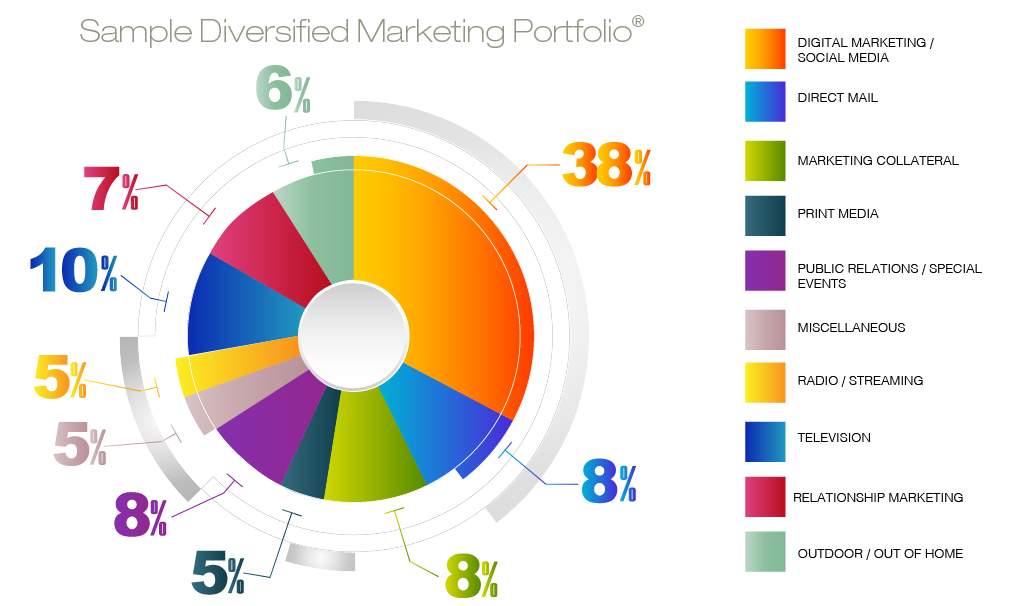
Social media is a critical part of a company’s marketing mix, and this week’s outage reminded us of the importance of having a diversified marketing approach. More than 20 years ago, we developed and trademarked our Diversified Marketing Portfolio®. After surveying a client’s business goals, its mix of products and/or services and the competitive landscape, we review dozens of potential tactics before allocating an annual budget across multiple strategic tactics to ensure a diversified approach.


To learn more about the Diversified Marketing Portfolio®, click the button below.

We’ve all heard not to put “all of your eggs in one basket,” so be sure your marketing efforts are diversified and balanced. If you need help, we’re here for you…this is what we have done since 1996.

“Social media is a great way to grow your business, especially if you are doing so on a low budget. However, it isn’t the only way to grow your business…”

~Kimberly Studdard

What is your marketing strategy for 2022?

It’s that time of year, again. Fall is here, and it’s time to plan and budget for next year. Depending on how you do it, it can be a chore (one you keep pushing off) or it can be transformational, filled with excitement and opportunity.

For more than 20 years, we’ve performed Strategic Marketing Summits® for clients. We even trademarked it. These half-day sessions are designed to create an atmosphere where the past can be glanced, but more importantly, the future can be focused on intentionally and targeted for significant success.

Imagine a planning session wherein you’re not just choosing marketing tactics and assigning how much to spend on each, but you’re aligning specific business goals with right-fit tactics to help you reach and exceed those goals. Proper planning to align all marketing efforts with the best ROI in mind makes the difference between “just budgeting” and masterminding your efforts to build brand awareness, revenue and overall brand value.

If you’d like to learn more, here are a video and several testimonials about our Summits. Our retainer clients are having their annual Summits scheduled for this fall, and we’d welcome the opportunity to schedule one for you. More Summit details can be found here.

TESTIMONIALS

We explored our weaknesses and how they could be converted to opportunities for growth. The facilitation by CIM was most valuable – they got information from our team that we didn’t even know we had.

Robbie Graham, president, NTC Global Holding Group

We know we are putting our dollars where it gives us the greatest value. The Summit forced us to look down the road in scheduling our marketing program as our company evolves.

Byron Francis, managing partner, Armstrong Teasdale LLP

However you plan and budget for 2022, I implore you to do so strategically so you can realize the best results possible. Don’t dread your planning, but make it purposeful for you and your business.

“If you want to succeed and leave your competitors behind, you need great plans and even greater strategies.”

~Pooja Agnihotri, 17 Reasons Why Businesses Fail: Unscrew Yourself From Business Failure

Taking Down Errant Reviews

In March of 2021, Google released a “Manage Your Reviews” tool, which gives Google My Business owners the ability to take down and see the status of each Google review on their page. This tool is convenient to help managers keep track of reviews that they have reported to Google for removal.

WHY IS THIS A GAME CHANGER?

There have been many fake, malicious, irrelevant or reviews posted to the wrong company on Google, resulting in a decrease in credibility and review ranking. The Manage Your Reviews tool, however, doesn’t work for business accounts with a large number of listings quite yet (like CIM who manages many Google My Business listings). This tool is ideal for small to medium businesses (SMBs). Although in its infancy and doesn’t work for everyone, this is a small step in the right direction of how Google manages review removal.

HOW DOES IT WORK?

You can find the Manage Your Reviews tool within the Google Help section. When you click on the tool, click on your business listing, which gives you the option to check the status of current review reports or to report a new review for takedown. When you click on “report a new review for takedown,” it will list all of the reviews in chronological order, with the option to report a problem on the right side of each review. You will then receive a shortlist of reasons why you wish to take down the review. After you click on the desired reason, the review will then be reported and you will additionally receive a follow-up email about the review.

MANAGE YOUR REVIEWS

If you would like to check the status of current review reports, you click on the status of current reviews button. A list of the reviews you reported will show in chronological order, and the status of each review will show on the right side, with it either saying the report has been approved and taken down, the decision is pending, or the report was reviewed and there was no policy violation. You have the ability to appeal a review if Google stated there was no policy violation and you believe there was. You then receive more in-depth options to state why you still wish to proceed with the removal of the review.

CONCLUSION

The “Manage Your Reviews” tool should ultimately work extremely well for businesses that receive fake or errantly posted reviews that either violate Google’s guidelines or are about a different company. The functionality of this tool to see the status of current review reports or report a review, although it only really works for SMBs that do not have a large number of listings.

STILL HAVE QUESTIONS ABOUT TAKING DOWN ERRANT REVIEWS?

CIM Marketing Partners is always here to help. We are more than happy to answer any questions you may have or help with the process of taking down errant reviews.

Customer service shouldn’t just be a department, it should be the entire company.

~Tony Hsieh, CEO Zappos