AI Search is Already Influencing Customer Decisions

Artificial intelligence is no longer just shaping how people research. It is beginning to influence which businesses they contact first.

A new analysis from CallRail reviewed nearly 20 million inbound phone calls and identified early signals that AI search tools such as ChatGPT, Perplexity, and Google Gemini are already part of the customer discovery process. While AI-driven calls currently represent a small share of total volume, the trend is meaningful, particularly for legal services, agencies, and other high intent industries.

The most important takeaway is not volume. It is behavior.

According to CallRail’s findings, leads influenced by AI search tend to bypass traditional browsing and comparison steps. In many cases, the phone call is the first meaningful interaction. These callers are highly motivated, further along in the decision process, and expect clarity and responsiveness immediately.

For firms investing in SEO, paid media, and local search, this shift introduces new considerations:

This moment closely mirrors earlier shifts like the rise of mobile search. Early adopters who adjusted their strategy gained a lasting advantage, while others had to catch up later.

AI-driven discovery is still emerging, but the direction is clear. Firms that align brand presence, analytics, and lead capture today will be better positioned as this channel continues to grow.

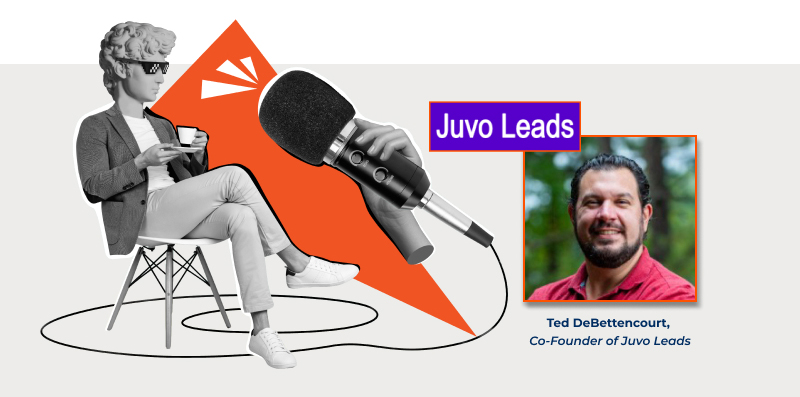
We are excited to share that our Founder and CEO, Darcy K. Neighbors, was recently featured on the Traffic to Leads podcast hosted by Ted DeBettencourt, founder of JuvoLeads.

In the episode, Darcy discusses the marketing framework that has helped firms across the country grow with greater efficiency and confidence, combining brand strategy, relationship-driven campaigns, and data-informed decision-making.

Key insights from the conversation include:

  • Why Strategic Marketing Summits are replacing traditional discovery calls
  • How firms can build long-term brand equity while lowering acquisition costs
  • How one organization achieved tenfold growth using CIM’s integrated marketing model
LISTEN TO THE EPISODE HERE

If you would like to discuss how these shifts impact your marketing strategy, our team is always happy to connect.

Turn Clicks into Conversions Through Retargeting

Don't Let Potential Clients Slip Away.

Retargeting brings them back.

It takes multiple touchpoints to drive conversions.

Google's AI Mode Is Rolling Out—and It's Making Us Rethink Everything About SEO

I've been reading about Google's new AI Mode for weeks now, and the more I dig into what early users are reporting, the more convinced I am that we're looking at a fundamental shift in how search works. Not just a new feature—a completely different game.

If you haven't heard about AI Mode yet, here's the short version: Google is testing a search experience that gives you full, conversational answers instead of just links. Think ChatGPT, but with real-time web data and source citations. It's currently available through Google Labs to select users, but all signs point to a broader rollout soon.

And from what I'm seeing in the early reports? It's pretty remarkable.

What People Are Actually Experiencing

The feedback from early users has been eye-opening. Instead of the usual "here are 10 blue links, good luck," AI Mode is delivering structured, comprehensive answers that feel like talking to a knowledgeable colleague.

One user described asking about starting a small business and getting a response that covered legal requirements, tax considerations, and funding options—all in one coherent answer, with links to dive deeper into each area. No bouncing between multiple searches, no trying to piece together information from different sources.

The key difference: Traditional search makes you do the work of finding and synthesizing information. AI Mode does that synthesis for you, then gives you the sources to verify or expand on what it found.

Here's what's standing out in the early reports:

Complex questions are becoming the norm. People are asking things like "What are the pros and cons of different email marketing platforms for a nonprofit with a small budget?" instead of just searching "email marketing software."

Engagement times are way up. Users are reportedly spending 2-3 times longer with search results, reading through the AI responses and following source links.

Source quality matters more than ever. The AI is pulling from multiple sources to build its responses, but it's being selective about what it considers authoritative and helpful.

The Reality Check That's Got Me Worried

Here's what's keeping me up at night: Several SEO experts who've tested AI Mode are reporting that websites they considered well-optimized aren't showing up in AI responses at all. Not because they're not ranking—they're still appearing in traditional search. But their content isn't substantial or clear enough for the AI to find useful.

This isn't about keyword density or meta tags anymore. It's about whether your content actually helps people solve problems.

One tester mentioned searching for information about content marketing and finding that some big-name marketing blogs didn't make it into the AI response, while smaller, more focused resources did. The difference? Depth and practical value over SEO optimization.

That's a wake-up call for a lot of us.

What This Probably Means for Your Website

I'm still processing all of this, but a few things seem clear from what early users are reporting:

Thin content is going to struggle. Those 300-word blog posts designed primarily to capture long-tail keywords? They're not going to cut it in a world where AI is looking for comprehensive, helpful information to synthesize.

Structure matters more than ever. Users are noting that AI Mode seems to favor content with clear headings, FAQ sections, and logical organization. It's not just about looking good to human readers anymore—it's about being parseable by AI systems.

Expertise and authority is no longer optional. The AI appears to be gravitating toward sources that demonstrate real knowledge and provide actionable insights, not just information that's technically correct, but shallow.

The Questions CIM is Asking

Are we writing to answer real questions, or just to target keywords? There's a difference between "best CRM software" content and genuinely helping someone figure out which CRM makes sense for their specific situation.

Is our clients' content substantial enough to be worth citing? If an AI system is pulling together a comprehensive answer, would it find their content valuable enough to include and link to?

Are we building topic authority, or just covering a lot of ground? It seems like going deep on specific areas of expertise might be more valuable than trying to rank for everything related to an industry.

How We're Adapting Our Strategy

Based on what we're seeing in these early reports, we're starting to shift our approach with clients:

Moving from keyword-focused to question-focused content. Instead of targeting specific search terms, we're helping clients think about the actual problems their audience is trying to solve and creating content that addresses those problems comprehensively.

Prioritizing depth over breadth. Rather than creating surface-level content on dozens of topics, we're working with clients to go much deeper on the areas where they actually have expertise and insights to offer.

Making content more structured and scannable. Clear headings, FAQ sections, and logical organization aren't just good for user experience anymore—they're essential for AI discoverability.

The Bottom Line (As Best We Can Tell)

AI Mode is still in testing, and a lot could change before it rolls out widely. But the direction seems clear: Google is moving toward surfacing the most helpful, comprehensive content available, rather than just the most optimized.

If your business has been focused on creating genuinely valuable content for your audience, this shift might actually work in your favor. If you've been primarily focused on gaming search algorithms… well, it might be time to reconsider that strategy.

We're still figuring out what all of this means for the work we do with clients, but one thing feels certain: The businesses that survive this transition will be the ones that were already focused on being genuinely helpful to their customers.

Everything else is just tactics.


What are you seeing in your own search behavior? Are you noticing changes in how Google is presenting information? Our team would love to hear about your experience—drop us a line and let us know what you're observing.

Your Website Might Be Driving Customers Away

Your website is often the first impression of your brand, making it a crucial part of your digital presence. If it’s slow, outdated or not mobile-friendly, visitors may leave before they even engage with your business.

A well-optimized website enhances user experience and boosts engagement. Is yours working as effectively as it could be?

PPC vs. SEO: The Power of Tandem Strategies to Dominate Digital Real Estate

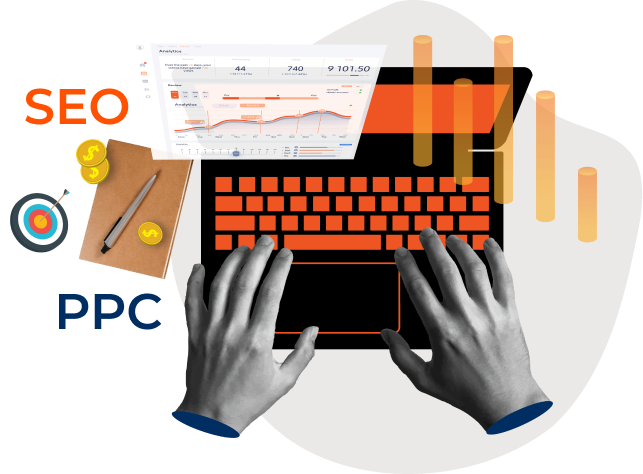
In the digital marketing landscape, businesses often find themselves at a crossroads: Should they invest in Pay-Per-Click (PPC) advertising or Search Engine Optimization (SEO)? While each strategy offers unique benefits, the true power lies in leveraging both PPC and SEO together. By combining these two approaches, businesses can maximize their digital real estate, ensuring a comprehensive online presence that drives traffic, leads and ultimately, business.

PPC is a form of online advertising where businesses pay a fee each time their ad is clicked. It's an effective way to essentially buy visits to your site rather than earning them organically. Platforms like Google Ads allow for precise targeting, enabling businesses to reach specific audiences based on demographics, interests and search behavior. PPC is known for its ability to deliver immediate results, making it ideal for time-sensitive campaigns and promotions.

SEO, on the other hand, focuses on optimizing a website to rank higher in organic search results. This involves on-page elements like keyword optimization, quality content creation and meta tags, as well as off-page factors such as backlinks. SEO is a long-term strategy that builds credibility and trust with search engines, ultimately leading to sustained visibility and traffic.

The Synergy of PPC and SEO

While PPC and SEO have distinct advantages, the true potential is realized when used in tandem. Here’s how they work together:

Enhanced Visibility: By occupying both paid and organic search results, businesses can dominate the search engine results pages (SERPs). This dual presence not only increases visibility but also enhances brand credibility and trust. When users see a brand appearing in both ad space and organic listings, it reinforces the brand’s authority and reliability.

Comprehensive Data Insights: PPC campaigns provide immediate data on which keywords and ads are most effective. This real-time data can be invaluable for informing SEO strategies. For instance, keywords that perform well in PPC can be targeted in SEO efforts, ensuring content is aligned with what users are actively searching for.

Increased Click-Through Rates (CTR): Studies have shown that having both an ad and an organic listing on the same SERP can lead to higher overall click-through rates. Users are more likely to click on a brand that appears multiple times, making the combined approach more effective than either strategy alone.

Maximized Digital Real Estate: The ultimate goal of any digital marketing strategy is to take up as much digital real estate as possible. By utilizing both PPC and SEO, businesses ensure they are present in multiple touchpoints, from paid ads to organic search results, to local listings and more. This comprehensive approach increases the chances of capturing user attention and driving conversions.

The debate between PPC and SEO shouldn’t be about choosing one over the other, but rather about how to integrate both to create a powerful, cohesive digital marketing strategy. By leveraging the strengths of PPC and SEO together, businesses can maximize their digital real estate, enhance brand visibility and drive more qualified traffic to their websites. Investing in a dual approach not only ensures immediate results but also builds a sustainable online presence that will pay dividends in the long term.

At CIM Marketing Partners, our team of experts is dedicated to helping you navigate the complexities of PPC and SEO, ensuring your business captures the full spectrum of digital opportunities. Contact us today to elevate your online presence and dominate your market.

Protect Your Digital Presence

In today’s digital landscape, we've encountered situations where businesses faced significant setbacks due to lack of ownership over their online presence. One particularly alarming trend is the occurrence of former employees retaining control over crucial accounts, leaving the businesses they once served in a state of limbo. We've seen instances where ex-employees, whether terminated or having left voluntarily, have held business profiles hostage by refusing to allow access to vital accounts such as Google Business Profiles, websites and social media platforms.

This scenario not only disrupts your business operations, but also poses a serious threat to your brand reputation and customer engagement. Imagine being locked out of your own Google Business Profile, where potential customers are unable to find accurate information about your services or products. Or worse, picture your social media channels falling into the wrong hands, leading to unauthorized posts or even data breaches.

To safeguard your business against potential risks, we recommend taking these proactive measures to secure ownership of your digital assets:

At CIM Marketing Partners, we are committed to supporting you in protecting your digital presence.

Elevate Your Branding Strategy: The Power of Newsletters

I know what you might be thinking—newsletters in 2024? But bear with me, because here are four compelling reasons why newsletters are a game-changer:

1. Cost-Effective Impact:

Unlike costly ad campaigns, newsletters offer a simple, budget-friendly way to authentically connect with your audience. By sharing useful newsletter content, you can showcase the genuine essence of your brand without breaking the bank.

2. Contextual Storytelling:

Newsletters provide a platform for meaningful storytelling, allowing you to delve into the nuances and context behind your brand. In a world of bite-sized content, this depth can captivate and engage your audience, setting you apart from the competition.

3. Amplified Engagement:

Newsletters serve as a catalyst for building a community of brand advocates. By making it easy for subscribers to share your content, you can organically expand your reach and cultivate a loyal following.

4. Data-Driven Insights:

Unlike traditional advertising metrics, newsletters provide tangible data on subscriber engagement. From open rates to click-through rates, these metrics offer invaluable insights into the effectiveness of your branding efforts.

Craft Compelling Content: Start by showcasing the authentic essence of your brand through real stories and experiences. Highlight the people, projects and values that make your company unique.

Cultivate Your Community: Focus on quality over quantity by targeting engaged subscribers who resonate with your brand. Encourage colleagues and current and potential clients to join your mailing list and become part of your brand journey.

Share and Engage: Once you've sent out your newsletter, leverage your existing channels to amplify its reach. Encourage colleagues and clients to share your content, and be consistent in your distribution efforts.

Incorporating newsletters, both printed and digital, into your branding strategy can yield significant marketing dividends, helping you to strategically elevate your brand presence in the marketplace.

At CIM Marketing Partners, we specialize in crafting comprehensive branding strategies tailored to your unique needs. We're here to help you unlock the full potential of newsletters in your branding journey.

Using Video Content for Marketing: 3 Key Questions to Ask

In today's digital world, making video content is easier than ever, thanks to smartphones and good lighting. Even if you're in your home office, you can create videos that look almost professional. This is a great opportunity for businesses to boost their online presence by using video content as a marketing tool.

But before you start recording, it's important to talk about your marketing strategy. This helps to clarify why you're making the video and what you hope to achieve. Like any marketing tool, you want to ensure that the video content you’re filming fits with your business goals and is a smart use of both your time and money.

Here are three important questions to consider before filming video content:

Are you trying to make your brand more visible, attract new hires or show off your expertise? Knowing the purpose of your video helps you decide what it should be about and how it should look.

Will you put it on social media, or will it be on your business’ website? This affects how you make the video. A video for social media might be simpler, while one for your website might need more professional help.

Every marketing video should encourage people to do something. Think about what action you want them to take, like contacting your business for more information. This helps shape what you say in the video.

How can CIM Marketing Partners help with your video content?

At CIM Marketing Partners, we have a team of creative experts who can help create an overall video content strategy and help you make great videos for your marketing. We’ll work closely with you to understand your goals and make sure your videos are an integral part of your overall marketing efforts. From coming up with topic ideas, talking points and scripts, to choosing where to share your video, we're with you every step of the way.

Embrace a Winning Strategy! Unleashing the Power of AI in 2024...

The use of Artificial Intelligence (AI) is ever-evolving. In 2023, the power of AI reached unprecedented heights, presenting incredible opportunities for businesses like yours to thrive and innovate. However, heading into Q2 of 2024, AI will continue to evolve more than ever. As we navigate the dynamic landscape of business and technology, staying ahead of the curve is crucial. At CIM Marketing Partners, we understand the transformative impact AI can have on marketing strategies, customer engagement and overall business success.
Many businesses think that Generative Pre-Trained Transformer (GPT) models will be the savior for content creation and improving their website. While AI is extremely powerful and will continue to improve as time goes on, relying on GPTs, such as ChatGPT, for all of your content creation and marketing efforts is a potential catastrophe in the making. At CIM, we have experimented with GPTs such as ChatGPT, and have found some interesting takeaways.

ChatGPT’s data sources end with 2021 data; therefore, it is limited to older research and data, and some of the content you publish may be outdated.

While ChatGPT is extremely good at writing, we have found that the responses tend to be long, making them difficult to scan through. Additionally, due to the outdated information, it is important to fact-check before using the information.

ChatGPT stores all prompts and queries from conversations with the chatbot. You can go back and view them and even delete conversations, but that information may have already been extracted. Be cautious when entering sensitive information into chatbots, as conversations are collected and used to further train the chatbot for other users.

In conclusion, while the potential benefits of leveraging AI in 2024 are vast and promising, it is extremely important to proceed with a mindful and cautious approach. The rapid advancements in AI technology demand a thorough understanding of its implications, both positive and potential challenges. Our team at CIM is keeping up with the latest AI updates, and we're here to help you navigate the AI landscape (and benefit from it, when appropriate) to propel your business’s success in 2024.

Your Eggs + One Basket = A Very Bad Idea

This past Monday was a dark day for some of the largest social media platforms across the entire world. For more than 7 hours, Facebook, Instagram, and Whatsapp were completely down. While the details of what happened to the platforms are still a bit murky, what we do know is more than 2 billion people and more than 200 million businesses were unable to access the platforms, rendering their social media marketing efforts useless for the day.

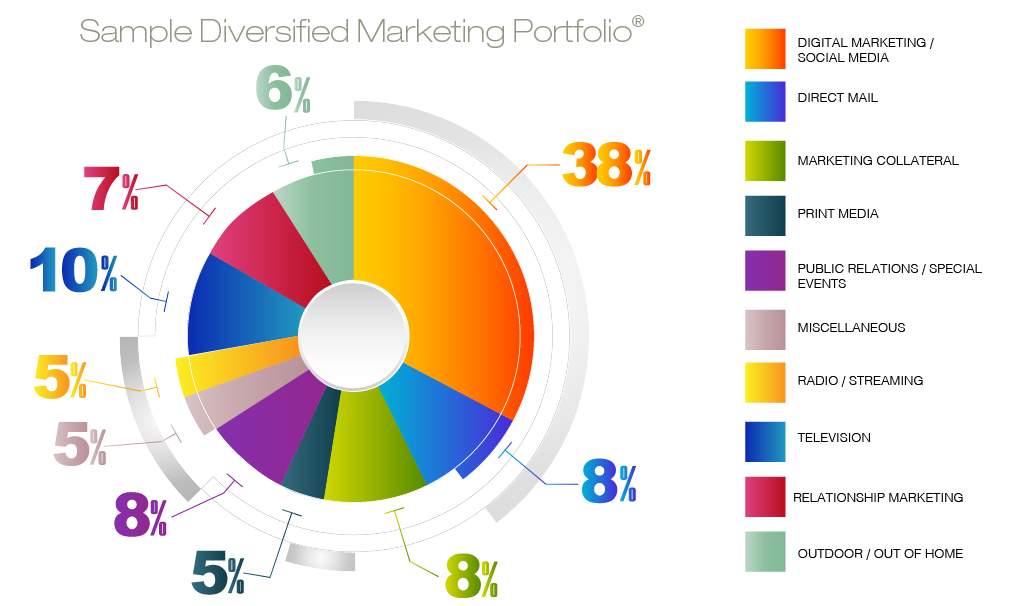
Social media is a critical part of a company’s marketing mix, and this week’s outage reminded us of the importance of having a diversified marketing approach. More than 20 years ago, we developed and trademarked our Diversified Marketing Portfolio®. After surveying a client’s business goals, its mix of products and/or services and the competitive landscape, we review dozens of potential tactics before allocating an annual budget across multiple strategic tactics to ensure a diversified approach.


To learn more about the Diversified Marketing Portfolio®, click the button below.

We’ve all heard not to put “all of your eggs in one basket,” so be sure your marketing efforts are diversified and balanced. If you need help, we’re here for you…this is what we have done since 1996.

“Social media is a great way to grow your business, especially if you are doing so on a low budget. However, it isn’t the only way to grow your business…”

~Kimberly Studdard